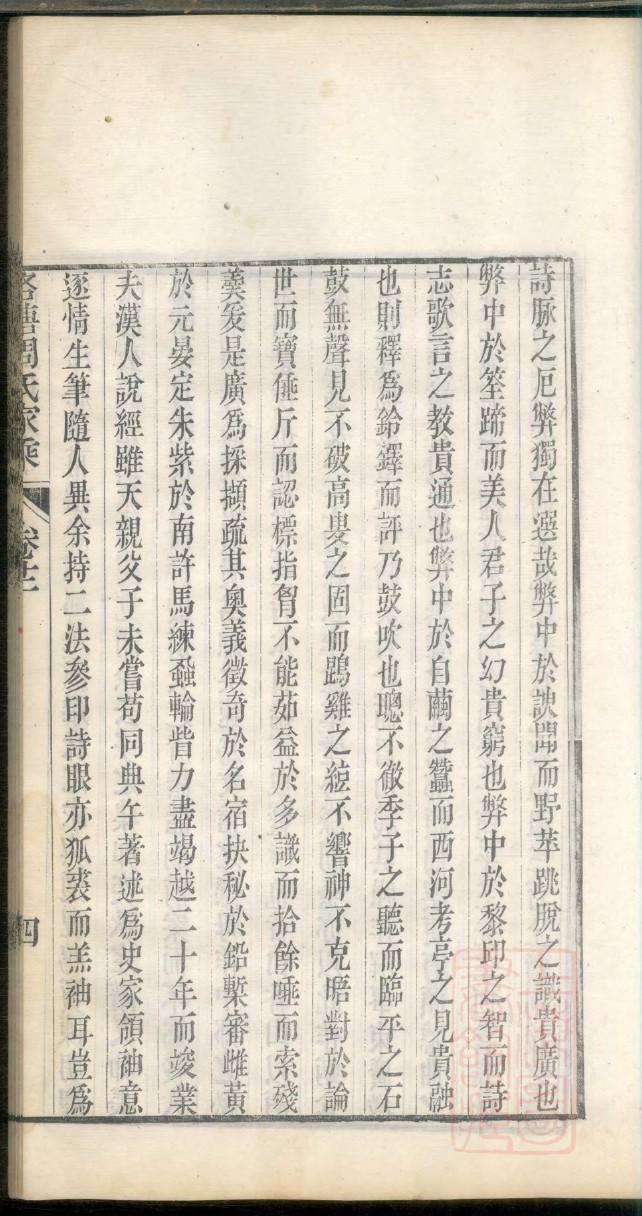

A Brief Introduction to the Family Genealogy
Overview of the Family Genealogy
This article provides a comprehensive introduction to the family genealogy, tracing its origins, significance, and the methods used to compile and preserve this vital record of our heritage. The family genealogy is not just a list of names and dates; it is a living history that connects us to our ancestors and illuminates our roots.
The Significance of Family Genealogy
The family genealogy holds immense importance in understanding our cultural heritage and personal identity. It allows us to appreciate the sacrifices and achievements of our ancestors, fostering a sense of pride and belonging within the family. Furthermore, it serves as a valuable source of information for historical research and genealogical studies.
The History of Family Genealogy
Family genealogy has a rich history that dates back to ancient times. In many cultures, the family tree was a symbol of lineage and authority. As societies evolved, the practice of documenting family histories became more formalized. This section explores the historical development of family genealogy, from its early roots to the modern digital age.
Methods of Compiling Family Genealogy
Compiling a family genealogy requires meticulous research and attention to detail. This section delves into the various methods used to gather information, including:
- Interviewing Relatives: Speaking with family members can provide firsthand knowledge about ancestors' lives and events.
- Reviewing Documents: Birth, marriage, and death certificates, as well as military and property records, are invaluable sources of information.
- Utilizing Online Resources: Genealogy websites and databases offer a vast repository of historical records, making research more accessible than ever before.
- Traveling to Ancestral Hometowns: Visiting the places where our ancestors lived can provide a deeper understanding of their lives and the social and economic context of the time.
Challenges in Family Genealogy
While compiling a family genealogy is a rewarding endeavor, it is not without its challenges. This section addresses some of the common obstacles faced by genealogists, such as:
- Missing Records: In some cases, crucial documents may be lost or destroyed, making it difficult to trace certain ancestors.
- Language Barriers: If ancestors spoke a language other than the one used in contemporary records, translation becomes a significant challenge.
- Privacy Concerns: Researching family histories can sometimes lead to sensitive information about living relatives, necessitating careful consideration of privacy issues.
Preserving the Family Genealogy
Preserving the family genealogy is essential for future generations. This section discusses various methods for ensuring that this invaluable record is kept safe and accessible:
- Digital Archiving: Creating digital copies of family records ensures that they can be easily shared and stored for future reference.
- Creating Hard Copies: Printing out important documents and maintaining a physical copy of the family genealogy is also advisable.
- Sharing with Family: Encouraging family members to contribute their own research and stories helps to keep the genealogy alive and relevant.
Conclusion
The family genealogy is a testament to the enduring legacy of our ancestors. By delving into our family histories, we gain a deeper understanding of our own identities and the world around us. Whether through traditional methods or modern technology, compiling and preserving our family genealogy is a noble pursuit that enriches our lives and connects us to the tapestry of human history.
Keywords:
- Family Genealogy
- Ancestry
- Heritage
- Historical Research
- Genealogical Studies